
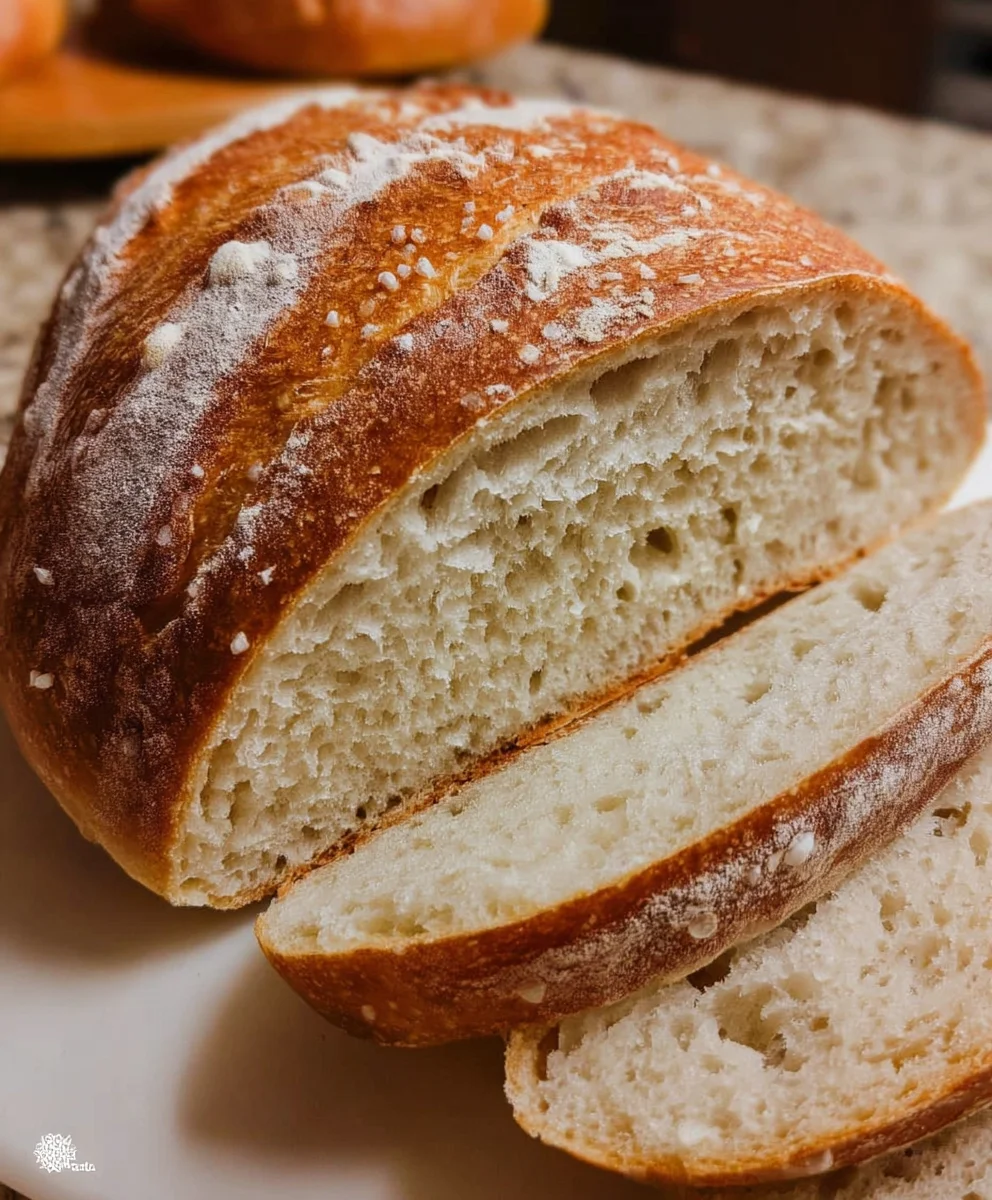
Introduction to Sourdough Sandwich Bread
There’s something truly magical about the aroma of freshly baked bread wafting through the house, isn’t there? This sourdough sandwich bread recipe captures that magic, creating a delightful loaf that’s soft and flavorful. As a busy mom, I understand the hustle of everyday life and the need for quick, delicious meals. This bread is the perfect partner for your sandwiches, elevating even the simplest of lunches. You’ll impress your loved ones while also making something wholesome and homemade. Trust me; it’s a fulfilling way to add warmth to your day!
Why You’ll Love This Sourdough Sandwich Bread
This sourdough sandwich bread isn’t just another recipe; it’s a game changer for busy weeknights! With its simple, straightforward steps, you’ll find it easy to whip up even after a long day. The flavor? It’s unbelievably rich and makes every bite feel like a cozy hug. Plus, your family will adore the soft texture, making it perfect for sandwiches or toast. Who knew homemade bread could be this simple?
Ingredients for Sourdough Sandwich Bread
To create your own loaf of sourdough sandwich bread, you’ll need just a few key ingredients that pack a punch of flavor and texture.
- All-purpose flour: This is the backbone of your bread, giving it that delightful structure. You can also try bread flour for a chewier texture.
- Sugar: A touch of sweetness enhances the flavor and helps with browning. You could substitute honey or maple syrup if you’re feeling adventurous.
- Fine sea salt: This essential ingredient boosts the overall flavor of your bread. It’s important to use a fine grain to ensure even mixing.
- Unsalted butter: The butter adds richness and a soft crumb. If you’re dairy-free, coconut oil or a plant-based substitute works well.
- Active sourdough starter: This is your secret weapon! It gives the bread that signature tang and helps it rise beautifully. Make sure it’s bubbly and recently fed.
- Warm water: This activates the starter and helps everything come together smoothly. Just ensure it’s not too hot, or you’ll risk killing the starter!
For detailed measurements of these ingredients, hop down to the bottom of the article. They’re readily available for easy printing, so you can dive right into baking!
How to Make Sourdough Sandwich Bread
Mix the Dough
Start by combining all your dry ingredients in a stand mixer: all-purpose flour, sugar, and fine sea salt. Then, mix in the softened butter until it resembles coarse crumbs. Next, add your bubbly active sourdough starter and warm water. This is where the magic begins as everything comes together. Make sure to give it some time to rest for about 30 minutes after mixing. This resting period is crucial; it allows the flour to absorb the liquid fully, creating a better texture later. You’ll notice the dough start to feel softer and more cohesive!
Knead the Dough
Now comes the fun part—kneading! If you’re using a stand mixer, set it to medium-low speed for about 6 to 8 minutes. You’ll want the dough to become smooth and elastic. If kneading by hand, prepare for a workout! It will take about 8 to 10 minutes. During kneading, it’s important to check the texture. The dough should be slightly tacky but not sticky. If it sticks to your fingers too much, you can add a sprinkle of flour, just be careful not to add too much. Proper kneading develops gluten, giving your sourdough sandwich bread that wonderful chewy texture!
Bulk Rise (Overnight Fermentation)
After kneading, let your dough rise overnight at room temperature, covered with a damp cloth. This bulk rise is a magical time for flavor development. The longer fermentation allows the sourdough starter to work its charm, giving the bread that signature tang and delightful aroma. It’s the patience test we all need, but trust me, the reward is worth it! When you wake up in the morning, your dough should have doubled in size, looking fluffy and full of life. If it seems shy, let it rest a little longer. Remember, time is your friend when it comes to great sourdough!
Shape the Dough
Once your dough has risen beautifully, it’s time to shape it. Gently turn it out onto a lightly floured surface. Flatten it gently with your hands. A light touch is key here; you don’t want to deflate all that lovely air you’ve created! Now, roll it into a log shape, making sure to tuck the ends under. Allow it to rest for about 5 to 10 minutes. This short resting time helps the gluten relax, making it easier to fit into your loaf pan. After rest, place the shaped dough into the buttered loaf pan seam side down, ready for its second rise.
Second Rise
Cover your loaf pan and let the dough rise for another 1½ to 2½ hours at room temperature. You’re looking for the dough to dome above the pan. This is the second chance for your bread to gain volume! While it’s rising, it’s the perfect time to preheat your oven to 375°F, so it’s hot and ready when your dough is. Keeping an eye on the dough during this time is essential; if it seems slow, give it a bit more time to plump up nicely before baking.
Bake
Finally, it’s time to bake your masterpiece! Place your loaf pan in the preheated oven and enjoy the chorus of rising bread. Bake for about 45 to 50 minutes until it’s golden brown and sounds hollow when tapped on the bottom. That delightful sound means it’s just right! Once it’s done, cool it in the pan for about 10 minutes before transferring to a wire rack. This cooling step is important because it ensures that your crust remains crisp. Just try to wait before slicing it—though I know how tempting it is!
Tips for Success
- Always use a bubbly, recently fed sourdough starter for the best rise and flavor.
- Don’t rush the fermentation process—allowing more time enhances the taste.
- Keep your workspace tidy to make kneading and shaping easier.
- If your dough seems too sticky, sprinkle a small amount of flour as needed.
- For an extra crispy crust, place a pan of water in the oven while baking.
Equipment Needed to Make Sourdough Sandwich Bread
- Stand mixer: If you don’t have one, using your hands works just as well for kneading.
- Loaf pan: Any size will do, but a standard 9×5 inch pan is perfect for this recipe.
- Dough scraper: This tool is handy for managing sticky dough; a simple spatula can also work.
- Kitchen towel: For covering the dough while it rises, any clean cloth will suffice.
Variations of Sourdough Sandwich Bread
- Herb-Infused Bread: Add dried herbs like rosemary, thyme, or oregano to the dough for a fragrant twist. These subtle flavors elevate your sandwiches to a whole new level.
- Whole Wheat Sourdough: Substitute half of the all-purpose flour with whole wheat flour for a nuttier taste and added nutrition. It’s a perfect way to sneak in more fiber!
- Cheese Lover’s Loaf: Mix in shredded cheese, like cheddar or mozzarella, to the dough during the kneading process. This adds a deliciously cheesy flavor in every slice.
- Seed-Topped Bread: Top the dough with a sprinkle of sunflower seeds, sesame seeds, or poppy seeds before the second rise. This adds texture and makes for a visually appealing loaf.
- Sweet Variations: A touch of cinnamon or nutmeg with a sprinkle of brown sugar can give your bread a sweet twist, perfect for breakfast sandwiches or toasted with butter!
Serving Suggestions with Sourdough Sandwich Bread
- Hearty Soups: Pair slices of your freshly baked sourdough with a bowl of minestrone or tomato soup for a cozy meal.
- Salads: Serve it alongside a crisp garden salad or a classic Caesar to make the perfect lunch combination.
- Presentation: Slice the bread evenly and arrange it on a beautiful wooden board with your favorite spreads.
- Drinks: Enjoy with a refreshing iced tea or a glass of white wine for a delightful brunch!
FAQs about Sourdough Sandwich Bread
Can I use a different type of flour for this recipe? Absolutely! While all-purpose flour is the star here, you can experiment with bread flour for a chewier texture or whole wheat flour for additional nutrition. Just remember, adjusting the flour may change the overall texture of your sourdough sandwich bread.
How do I know if my sourdough starter is active? A healthy, active sourdough starter should be bubbly, have a pleasant, slightly tangy smell, and roughly double in size within 4 to 6 hours after feeding. If yours isn’t quite there, give it some extra love and feeding days before baking.
Can I freeze sourdough sandwich bread? Yes, indeed! Once your bread has cooled completely, slice it and wrap it in plastic wrap or aluminum foil. Seal it in a freezer bag to prevent freezer burn. Just pop a slice in the toaster when you want to enjoy it again!
Why is my bread dense? Denseness can result from a few factors: using cold water, an inactive starter, or not enough kneading. Remember, proper fermentation and kneading are essential for achieving that light and airy crumb. Don’t skip these steps!
How long will the sourdough sandwich bread stay fresh? Stored in an airtight container at room temperature, your sourdough sandwich bread can stay fresh for about three days. For longer storage, consider slicing and freezing it!
Final Thoughts
Making this sourdough sandwich bread truly enriches not just your meals, but your whole cooking experience. As you knead and shape the dough, you’ll find a therapeutic joy that reconnects you with the simple pleasures of home cooking. The aroma that fills your kitchen is a hug for the senses, and every slice radiates warmth and love. This recipe is an invitation to gather your family around the table, enhancing those everyday moments. So, roll up your sleeves and dive in—you’ll create not just bread, but heartwarming memories that linger long after the last bite.
Print
Sourdough Sandwich Bread
- Total Time: Overnight + 1 hour 5 minutes
- Yield: 1 loaf 1x
- Diet: Vegetarian
Description
A delightful recipe for making homemade sourdough sandwich bread that is soft, flavorful, and perfect for any sandwich.
Ingredients
- 500 g (4 cups) all-purpose flour
- 12 g (1 tbsp) sugar
- 9 g fine sea salt
- 60 g (4 tbsp) unsalted butter, softened and cubed
- 50 g (¼ cup) active sourdough starter
- 270 g (1 cup + 2 tbsp) warm water
Instructions
- Mix the Dough: In a stand mixer, combine flour, butter, sugar, and salt. Mix until it looks like coarse crumbs. Add sourdough starter and warm water, mix until fully absorbed. Rest for 30 minutes.
- Knead the Dough: Knead on medium-low speed for 6 to 8 minutes until smooth and elastic. Alternatively, knead by hand for 8 to 10 minutes.
- Bulk Rise (Overnight Fermentation): Cover the dough and let it rise overnight at room temperature until doubled in size.
- Shape the Dough: Turn out the dough, flatten gently, and shape into a log. Rest for 5 to 10 minutes before placing in a buttered loaf pan seam side down.
- Second Rise: Cover the loaf pan and let the dough rise at room temperature for 1½ to 2½ hours until domed above the pan. Preheat the oven to 375°F.
- Bake: Bake for 45 to 50 minutes until golden brown and hollow when tapped. Cool in the pan for 10 minutes then on a wire rack.
Notes
- Ensure your sourdough starter is bubbly and recently fed.
- A longer fermentation enhances flavor and texture.
- Pay attention to the dough’s size during the bulk rise; if it hasn’t doubled, give it more time.
- Prep Time: 15 minutes
- Cook Time: 50 minutes
- Category: Bread
- Method: Baking
- Cuisine: American
Nutrition
- Serving Size: 1 slice
- Calories: 150
- Sugar: 1 g
- Sodium: 200 mg
- Fat: 6 g
- Saturated Fat: 4 g
- Unsaturated Fat: 1 g
- Trans Fat: 0 g
- Carbohydrates: 22 g
- Fiber: 1 g
- Protein: 4 g
- Cholesterol: 15 mg